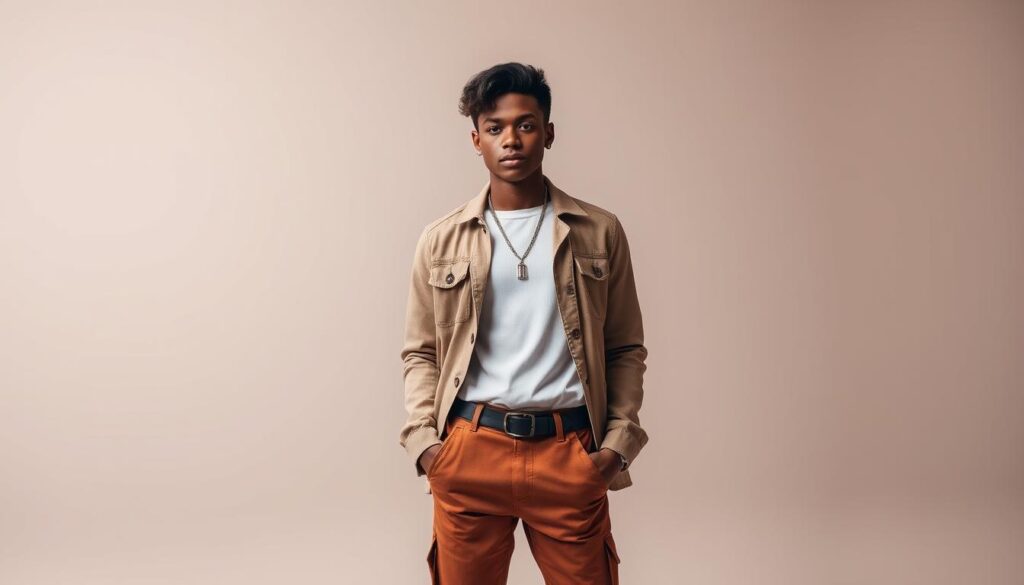
Embracing your fashion identity changes more than just your clothes. It boosts your confidence too. Your style shows the world who you are and how you see yourself.
Exploring your personal style lets you dress in a way that empowers you. This article will show you how your fashion choices affect your confidence. It’s a step towards becoming more confident.
Key Takeaways
- Understand the link between personal style and confidence
- Learn how to identify your fashion identity
- Discover tips to enhance your wardrobe for maximum confidence
- Explore how your fashion choices impact your self-perception
- Gain insights into creating a personal style that reflects your personality
Understanding Personal Style: More Than Just Clothes
Personal style is more than just what you wear. It shows who you are to the world. It reflects your personality, values, and attitude.
What Personal Style Really Means
Personal style is your visual identity. It’s how you use clothes and accessories to show your character and taste. It’s all about self-expression, letting you share your unique identity.
The Connection Between Style and Self-Expression
Your personal style is a powerful way to express yourself. It can show confidence, creativity, or simplicity. The clothes you choose tell a story about who you are and how you want to be seen.
How Your Clothes Tell Your Story
The way you dress reveals a lot about you. For example, someone who loves bold colors might seem outgoing and adventurous. On the other hand, someone who likes simple designs might seem elegant and calm.
| Style Element | Possible Interpretation |
|---|---|
| Bold Colors | Outgoing, Adventurous |
| Minimalist Designs | Elegant, Understated |
| Eccentric Accessories | Creative, Confident |
Understanding and embracing your personal style greatly affects your fashion identity. It’s not just about following trends. It’s about creating a look that truly represents you.
Why Discovering Your Personal Style Matters
Finding your personal style can really boost your confidence and daily life. It’s more than just clothes; it’s about showing who you are and feeling at ease in what you wear.
The Psychological Benefits of Defined Style
Having a clear personal style offers many mental perks. It can improve how you see yourself and cut down on decision-making by sticking to what you know. A strong style also increases your confidence, making you feel ready for anything.
How Style Impacts First Impressions
Your style greatly affects how others see you at first. When you dress in a way that shows your personality, you’re more likely to make a good impression. This is especially true in work or social events.
Saving Time and Money with a Cohesive Wardrobe
A wardrobe that matches your style can save you time and money. By choosing pieces that fit well and match your style, you won’t need to buy as much. This makes getting dressed quicker and less stressful.
Assessing Your Current Wardrobe
Understanding your wardrobe is key to knowing your fashion likes and dislikes. By examining what you own, you can make smarter choices for new clothes. This helps you create a style that truly reflects you.
Conducting a Closet Audit
A closet audit means checking every piece in your wardrobe. Start by taking everything out and sorting it. This helps you see what you have, what’s still good, and what’s missing.
What to Keep, Donate, and Alter
Decide what to keep by looking at items that fit well and match your style. Things that are stained, don’t fit, or haven’t been worn in a year might need to go or get altered. Here’s a table to guide you:
| Action | Criteria | Examples |
|---|---|---|
| Keep | Fits well, in good condition, aligns with personal style | Little black dress, well-fitting jeans |
| Donate | Not worn in a year, doesn’t fit, out of style | Trendy item from last season, ill-fitting tops |
| Alter | Can be adjusted to fit better or updated | Baggy pants that can be tailored, dresses that need hemming |
Identifying Patterns in What You Already Own
After your closet audit, look for patterns in your clothes. Notice common colors, fabrics, and styles. This helps you understand your style and makes shopping easier.
Determining Your Body Type and Flattering Silhouettes
Knowing your body shape is key to making smart fashion choices. It helps you pick clothes that look good on you. This makes you feel confident and stylish.
Understanding Different Body Shapes
There are five main body shapes: hourglass, pear-shaped, rectangular, inverted triangle, and apple-shaped. Each shape has its own look and needs special styling tips.
| Body Shape | Characteristics | Styling Tips |
|---|---|---|
| Hourglass | Curvy bust and hips, narrow waist | Accentuate your waist with belted dresses or tops. |
| Pear-Shaped | Narrower top half, curvier hips and thighs | Draw attention to your upper body with bright colors or patterns. |
Choosing Clothes That Enhance Your Natural Shape
After figuring out your body type, you can pick clothes wisely. For example, if you’re hourglass, look for clothes that hug your waist. This highlights your curves.
Common Styling Myths to Ignore
Many styling tips don’t fit everyone. For instance, the idea that curvy people should avoid horizontal stripes is not always true. Look for stripes that match your body size. Coco Chanel said, “A girl should be two things: who and what she wants. The key to both is confidence.”
“Fashion is not something that exists in dresses only. Fashion is in the sky, in the street, fashion has to do with ideas, the way we live, what is happening.” – Coco Chanel
By knowing your body type and how to style it, you can create a personal look. This look will make you feel confident and stylish.
Exploring Color Theory for Your Complexion
Discovering the right colors for your complexion can boost your confidence and refine your style. Color theory is a powerful tool that can help you make informed decisions about your wardrobe. This ensures that you look your best at all times.
Finding Your Color Season
The concept of color seasons is based on the idea that certain colors complement your natural skin tone, hair color, and personal coloring. Typically, individuals are categorized into one of four color seasons: Spring, Summer, Autumn, or Winter. Understanding your color season can simplify the process of choosing clothes and accessories that enhance your appearance.
To determine your color season, consider the following:
- Your natural skin tone: Cool, warm, or neutral?
- The color of your eyes: Bright, muted, or somewhere in between?
- Your hair color: Natural or dyed, and what shade?
Building a Complementary Color Palette
Once you’ve identified your color season, you can start building a wardrobe that complements your complexion. A well-curated color palette ensures that your clothes work together harmoniously. This makes mixing and matching outfits easier.
| Color Season | Best Colors | Colors to Avoid |
|---|---|---|
| Spring | Warm pastels, soft peach, coral | Cold blues, dark grays |
| Summer | Cool pastels, lavender, powder blue | Bright oranges, warm yellows |
| Autumn | Earth tones, olive green, terracotta | Cool pinks, icy blues |
| Winter | Deep jewel tones, icy blue, snow white | Warm beiges, soft peaches |
Using Color Psychology in Your Wardrobe
Color psychology is the study of how colors affect human behavior and emotions. By incorporating colors that evoke the desired emotional response, you can use your wardrobe to influence your mood and confidence.
For example, wearing red can boost your energy and confidence, while blue can have a calming effect. By understanding the psychological impact of different colors, you can make intentional choices about your wardrobe. This supports your personal and professional goals.
Identifying Style Aesthetics That Resonate With You
Exploring different style aesthetics can help you find a personal style that truly reflects you. With new fashion trends popping up every season, it’s key to find what fits your personality and taste.
Overview of Major Style Categories
There are many major style categories to start with. These include:
- Classic: Timeless and elegant, with clean lines and little decoration.
- Bohemian: Free-spirited and eclectic, often with vintage or global pieces.
- Minimalist: Simple and understated, focusing on function and comfort.
Classic, Bohemian, Minimalist, and More
Other notable styles include Romantic, Edgy, and Sophisticate. Each has its own unique traits. Knowing these can help you find what suits you best.
| Style Category | Key Features | Best For |
|---|---|---|
| Classic | Timeless pieces, clean lines | Those who value elegance and simplicity |
| Bohemian | Eclectic, vintage, global inspiration | Free-spirited individuals who enjoy expressing themselves through fashion |
| Minimalist | Simple, functional, comfortable | Those who prefer understated fashion and prioritize comfort |
Mixing Elements From Different Styles
Most people’s style is a mix of different aesthetics. Experimenting with various elements can help you create a unique look that shows your personality.
Adapting Trends to Your Personal Aesthetic
Fashion trends can inspire you, but it’s important to make them fit your style. By adding trends to your wardrobe, you can stay current without losing your aesthetic.
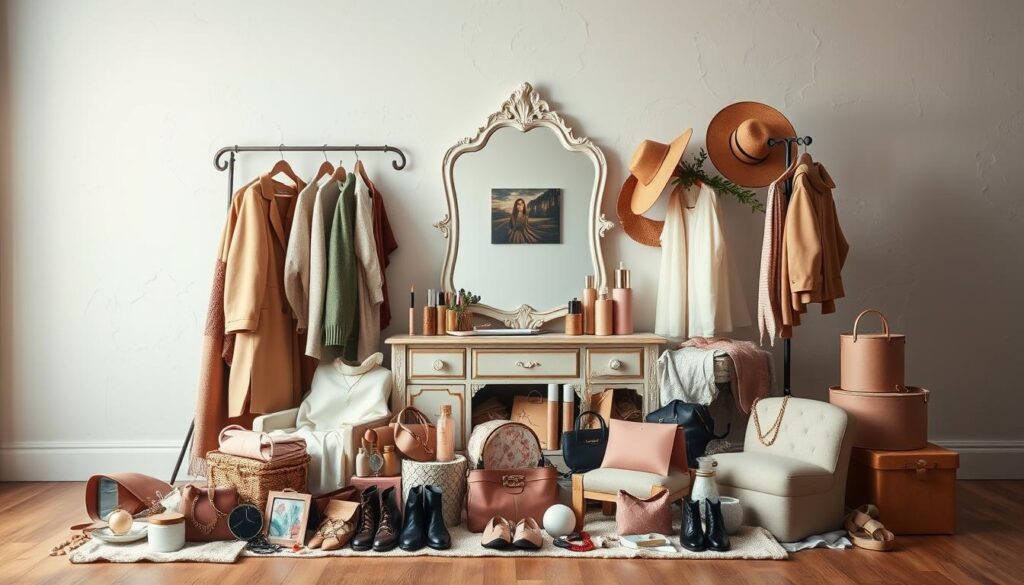
Creating a Style Mood Board
To see your personal style, think about making a mood board. It’s a visual way to show what you like in fashion. It helps you understand and reach your style dreams.
Digital vs. Physical Mood Boards
You can make a mood board digitally or physically. A digital mood board uses apps like Pinterest or Canva. It’s easy to change and add to. A physical mood board is made by pinning images to a corkboard or creating a collage. It gives a hands-on feel.
Using Your Mood Board to Guide Purchases
Your mood board helps you make smart buying choices. By checking new items against your board, you know if they fit your style.
Refining Your Vision Over Time
As your style grows, so will your mood board. Keep updating it to show your changing tastes. This keeps it useful for guiding your fashion choices.
| Mood Board Type | Characteristics | Benefits |
|---|---|---|
| Digital | Flexible, easily editable | Convenient, accessible anywhere |
| Physical | Tactile, visual | Hands-on experience, visual impact |
Building a Versatile Capsule Wardrobe
Creating a versatile capsule wardrobe means investing wisely in your clothes. It’s about simplicity, sustainability, and style. With a smaller collection of quality pieces, you can make many outfits for different events.
Essential Pieces for Every Style Type
Every style has key pieces for a capsule wardrobe. These include a classic white shirt, a tailored blazer, and a pair of well-fitting jeans. Also, a little black dress is a must. Choose items that fit your body, lifestyle, and style.
Quality vs. Quantity: Making Smart Investments
Choosing quality over quantity is key in a capsule wardrobe. Focus on timeless, well-made items, not fleeting trends. This approach saves money and helps the environment.
Creating Multiple Outfits From Few Pieces
The beauty of a capsule wardrobe is its versatility. By combining your essential pieces, you can make many outfits. For instance, a white shirt can go from casual jeans to a skirt for a dressier look.
| Outfit | Pieces | Occasion |
|---|---|---|
| 1 | White shirt, jeans | Casual day out |
| 2 | White shirt, skirt, blazer | Formal event |
| 3 | Little black dress, cardigan | Night out |
Discover Your Personal Style And The Confidence That Comes With It
Embracing your personal style can really boost your confidence. It creates a positive cycle that makes you feel better about your fashion choices and yourself. When you wear clothes that make you feel good, you’re more likely to feel confident. This confidence then helps you refine your style even more.

The Style-Confidence Feedback Loop
The link between personal style and confidence is a cycle. As you work on your style, you’ll feel more confident. This confidence makes you want to improve your style even more. It’s a never-ending loop of getting better and feeling more sure of yourself.
- Self-perception: Your clothes shape how you see yourself.
- External perception: Others see you differently based on your style, affecting your confidence.
- Feedback loop: Confidence and style feed into each other, creating a positive cycle.
Practical Exercises to Build Style Confidence
To boost your style confidence, try these exercises:
- Start a style journal to track your outfits and how they make you feel.
- Try new combinations of clothes to find fresh looks.
- Get inspiration from others whose style you like, but make it your own.
Overcoming Fashion Anxiety and Insecurities
Fashion anxiety can hold you back from finding your personal style. To beat it, focus on:
- Self-acceptance: Love your body shape and size.
- Personalization: Make your style fit your tastes and needs.
- Experimentation: Try new styles in a safe way.
Understanding how personal style and confidence work together is key. By practicing to build your style confidence, you can beat fashion anxiety. This way, you can create a style that truly shows who you are.
Shopping Strategies for Style Development
Shopping with a purpose is key to finding a style that shows who you are. To improve your style, use smart shopping strategies that match your style goals.
Where to Shop Based on Your Style Goals
Finding the right places to shop is important. Look for stores that sell what you want. For example, if you like simple designs, choose stores with clean looks and neutral colors.
- For classic style, check out Brooks Brothers or Chanel.
- Streetwear fans should look at Supreme or Nike.
- For green fashion, try Patagonia or Reformation.
How to Evaluate Potential Purchases
When looking at new items, ask yourself:
- Does this fit my style and wardrobe needs?
- Is the quality good?
- Can I mix it with what I already have?
The Three-Question Test for New Items
This test helps make sure your buys are good for your style.
Budgeting for Style Without Breaking the Bank
Good budgeting keeps your style affordable. Plan your spending for must-haves and invest in timeless pieces.
Using these strategies, you can create a style that’s true to you and won’t empty your wallet.
Maintaining and Evolving Your Style Over Time
To keep your style fresh, find a balance between staying the same and changing. As you grow, it’s key to know how to keep and update your style.
Seasonal Updates vs. Complete Overhauls
There are two ways to update your style: seasonal changes or a full makeover. Seasonal updates mean adding new trends to your wardrobe. This keeps you current without changing your whole look.
A complete overhaul means a big change in your style. It’s harder but can really change how you look. Think about whether your style still fits you before making a big change.
When and How to Refresh Your Look
Refreshing your look is needed for many reasons, like a change in life or taste. To update your style, first figure out what’s not working. Then, follow these steps:
- Check your wardrobe for pieces that still look good.
- Add a few key items that show off current trends or your new taste.
- Try new ways to mix your clothes for a fresh look.
Adapting Your Style Through Life Changes
Life changes, like a new job or body changes, affect your style. It’s important to adjust your style to stay true to yourself.
Career Transitions, Body Changes, and Lifestyle Shifts
Life changes mean different style changes. For example, a new job might need a more professional wardrobe. Body changes might mean updating your clothes to fit better. Here’s a table to help you see how life changes affect your style:
| Life Change | Style Adjustment |
|---|---|
| Career Transition | Update your wardrobe to include more professional attire. |
| Body Change | Refresh your wardrobe with pieces that fit your new shape. |
| Lifestyle Shift | Adjust your style to suit your new daily activities and preferences. |
By knowing how to keep and update your style, you can always show who you are, even as you change.
Conclusion: Embracing Your Authentic Style Journey
Embracing your authentic style is a journey of self-discovery and expression. We’ve looked at how to define your personal style. This includes understanding your body type and color palette, and creating a capsule wardrobe that shows your aesthetic.
Your personal style journey is unique and changes over time. It’s about making choices that boost your confidence and comfort in what you wear. By checking your current wardrobe, finding style icons, and trying new looks, you’re on the right path to a wardrobe that truly represents you.
Remember, your authentic style is more than just clothes. It’s about how those clothes make you feel. It’s a way to express yourself and can boost your confidence and daily life. Stay true to your style and don’t be afraid to change as you grow.
FAQ
What is personal style, and how is it different from just following fashion trends?
Personal style is about showing who you are through what you wear. It’s not just about following the latest trends. It’s about creating a look that shows your personality and values.
How do I discover my personal style if I’m unsure where to start?
Start by looking at what you already wear. See what patterns you have. Then, explore different styles to find what you like. Making a style mood board can also help you see what you prefer.
Can I have multiple style aesthetics, or should I stick to one?
You can definitely mix different styles to create something unique. Trying out different aesthetics can help you find what fits your lifestyle and personality best.
How often should I update my wardrobe to keep my style fresh?
You don’t need to change your whole wardrobe often. Focus on adding new pieces that fit your style. You can also refresh your look by rearranging what you already have.
What’s the best way to invest in quality clothing without breaking the bank?
Look for timeless, versatile pieces that fit well. Investing in a few quality items each season is a good idea. You can also find deals or shop second-hand to save money.
How can I build confidence in my personal style?
Be yourself and take risks with your style. Focus on what makes you feel good. Try things like creating a capsule wardrobe or doing styling challenges to boost your confidence.
Are there any common styling myths that I should be aware of?
Yes, myths say certain body types can’t wear certain styles or that trends are the only way to be stylish. Ignore these and focus on what works for you.
How do I know if a particular style or trend is right for me?
Think about your lifestyle, body type, and what you like. Ask yourself if it fits your values and makes you feel confident and expressive.
Can I still follow fashion trends while maintaining my personal style?
Absolutely! You can add trends to your wardrobe in a way that still shows your personal style. Just adapt trends to fit your aesthetic, rather than following them blindly.
How do I maintain my personal style as I go through different life stages or changes?
Be open to changing your style as you go through life changes. Update your wardrobe and style choices to reflect your new circumstances. But stay true to your core aesthetic.